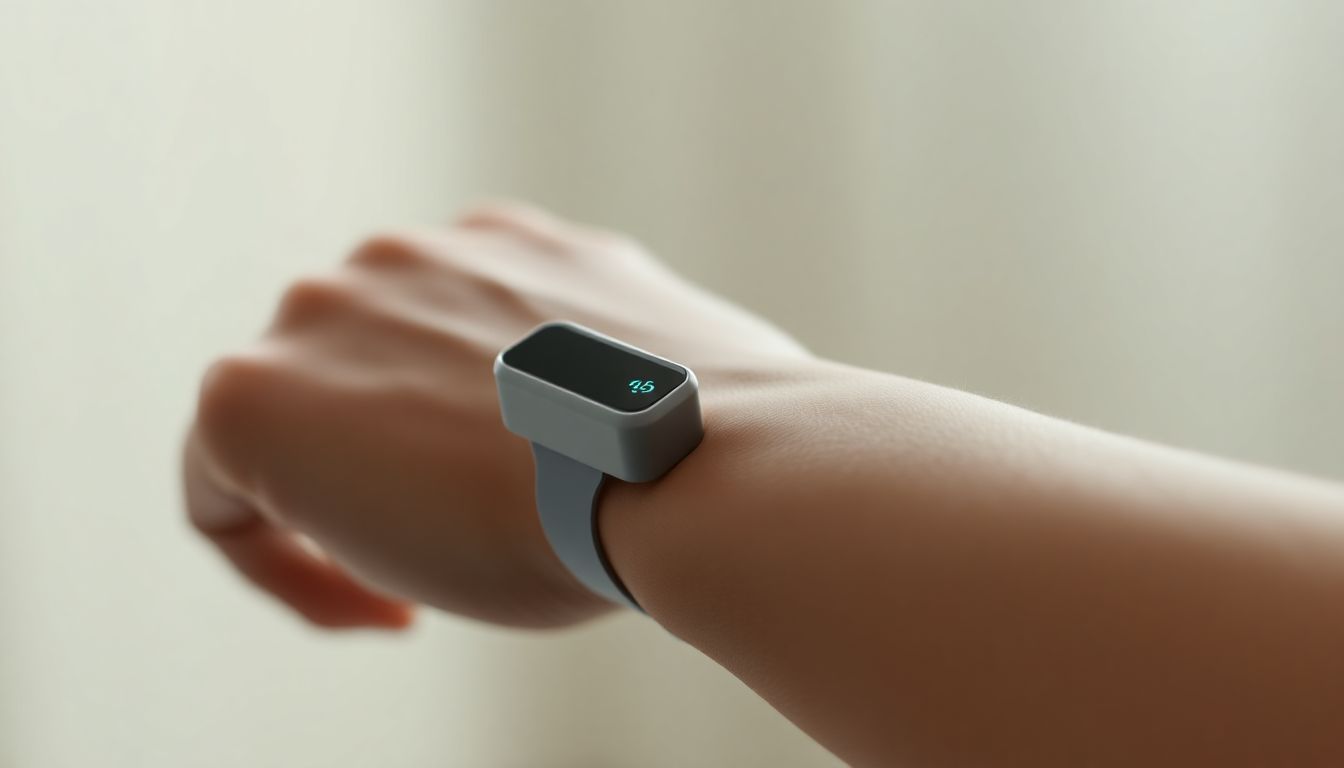
Wearable Mental Health Monitors: A Technological Revolution in Mental Healthcare
The mental health crisis is growing. Many people struggle with anxiety, depression, and stress. Traditional care methods often fall short. Appointments can be infrequent, and some patients may not feel comfortable talking openly. Fortunately, wearable mental health monitors are stepping in to change that. These innovative devices offer new ways to monitor and manage mental well-being, providing hope for early intervention and personalized treatment.
How Wearable Mental Health Monitors Work
Physiological data collection
Wearable devices track various physiological signals. They collect data like:
- Heart rate variability: Changes in heart rate can indicate stress levels.
- Sleep patterns: Quality sleep is vital for mental health.
- Activity levels: Physical movement plays a key role in how we feel.
Behavioral data collection
In addition to physical data, these devices monitor behavior.
- Smartphone usage: Time spent on apps can reveal stress triggers.
- Social media activity: Online interactions influence mood.
- Location data: Patterns in where you go can highlight social habits.
Data analysis and interpretation
Wearable monitors use complex algorithms to make sense of all this data. These machine learning techniques analyze the information and provide personalized insights. This could help you understand when you’re at risk of experiencing mental health issues.
Types of Wearable Mental Health Monitors
Smartwatches and fitness trackers
Many popular smartwatches come with mental health features. They offer guided breathing exercises, sleep tracking, and activity reminders. These tools help keep users conscious of their mental health.
Dedicated mental health wearables
Some devices focus solely on mental well-being. Examples include specialized headbands that measure brainwaves or gadgets that provide real-time mood data. These are designed specifically for mental health monitoring.
Biosensors and advanced technologies
More advanced technologies are emerging too. Biosensors like EEG (electroencephalogram), ECG (electrocardiogram), and galvanic skin response sensors help provide deeper insights into mental health. They measure brain activity, heart function, and stress responses.
Benefits and Limitations of Wearable Mental Health Monitors
Improved accuracy of diagnosis and treatment
Wearables can enhance diagnosis. They provide continuous data, reducing reliance on self-reporting, which can be biased. This continuous flow of information can lead to more accurate treatment plans.
Enhanced self-awareness and patient engagement
Using these monitors can increase self-awareness. Patients may feel more involved in their care, motivating them to practice self-care routines. This engagement can improve overall well-being.
Privacy concerns and data security
As with any technology, there are privacy issues. Health data is sensitive. Providers need to address ethical concerns and ensure that users' information is protected.
Limitations of technology
While these devices offer insights, they cannot replace human interaction. Misinterpretations can occur, highlighting the need for human oversight in mental health care. Professional guidance remains essential.
The Future of Wearable Mental Health Monitors
Integration with mental health apps and telehealth platforms
Wearable technology is increasingly integrated with mental health apps. This can allow users to track their data over time and communicate with healthcare providers easily.
Advancements in sensor technology and data analytics
The future holds great promise for wearable tech. Ongoing advancements in sensor technology and analytics will make these tools even more effective in monitoring mental health.
Potential for personalized interventions
With continuous data collection, there’s potential for personalized interventions. This means that mental health care could become more tailored to individual needs, allowing for preventative strategies.
Choosing the Right Wearable Mental Health Monitor
Consider your specific needs and goals
It's essential to reflect on what you want from a monitor. Do you need a focus on sleep, activity, or stress levels? Each device offers different features.
Research different devices
Take time to explore and compare different models. Look for reviews and expert opinions to understand their capabilities. This research will help in making an informed decision.
Consult with a healthcare professional
Before purchasing, it’s wise to talk with a healthcare professional. They can provide insights on how a specific device might fit into existing treatment plans.
Conclusion: Empowering Individuals and Transforming Mental Healthcare
Wearable mental health monitors offer exciting benefits. They improve accuracy in diagnosing issues and engage patients more actively in their care. However, they also have limitations. It’s crucial to integrate these technologies with traditional mental health care for the best results. As we look ahead, the future of mental health care technology feels promising, empowering individuals to take charge of their mental well-being


No comments:
Post a Comment